
 Image 1 of 5
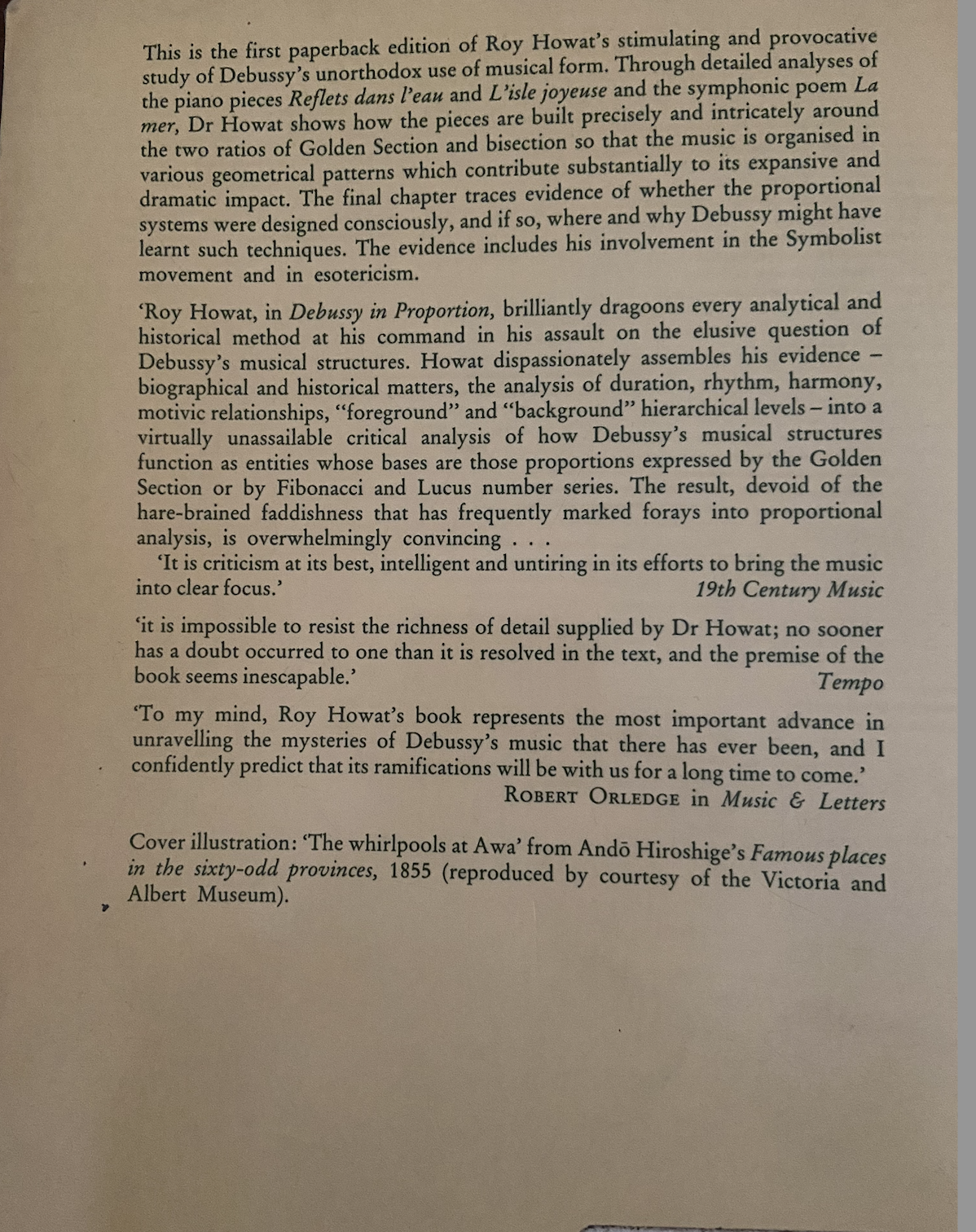 Image 2 of 5
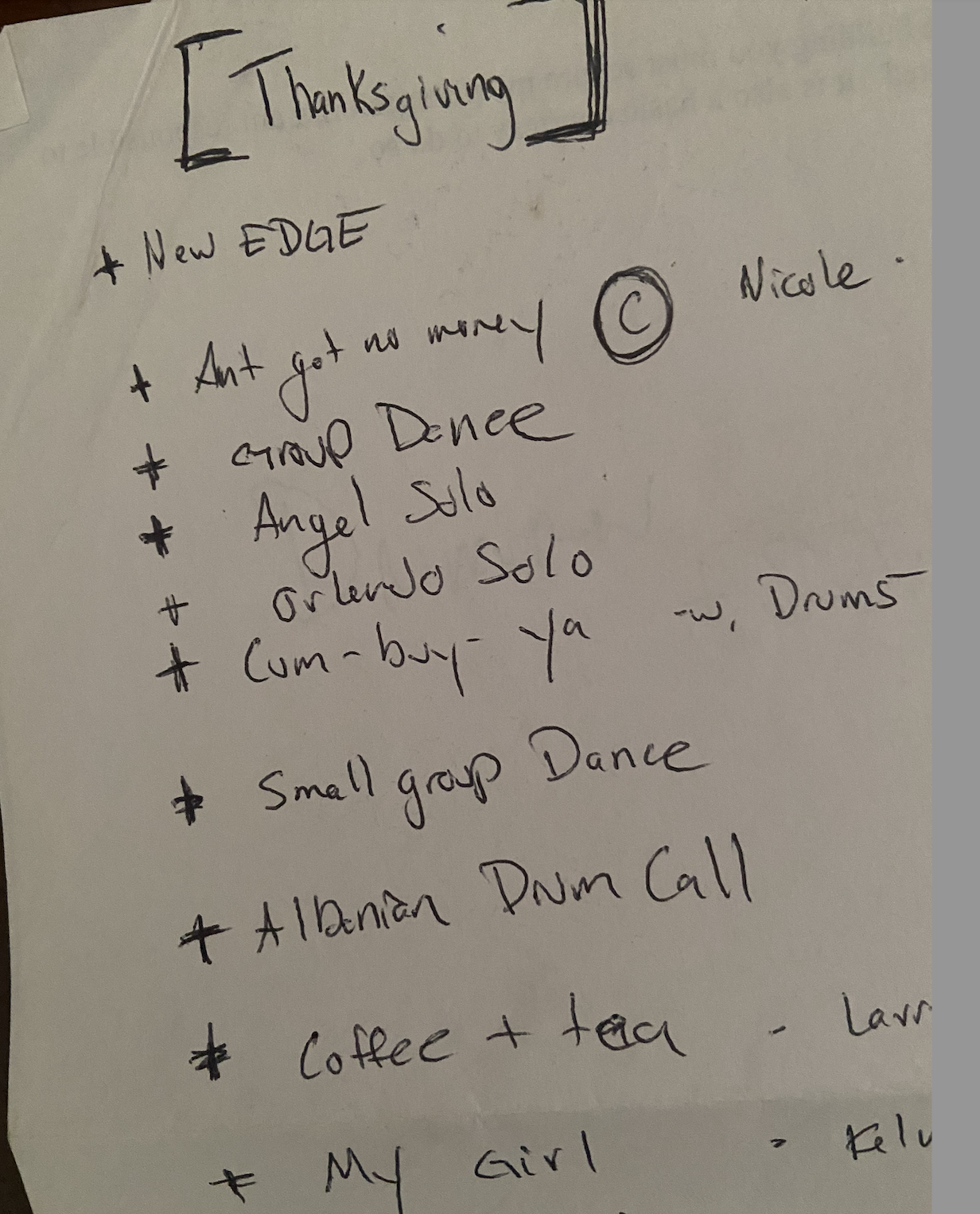 Image 3 of 5
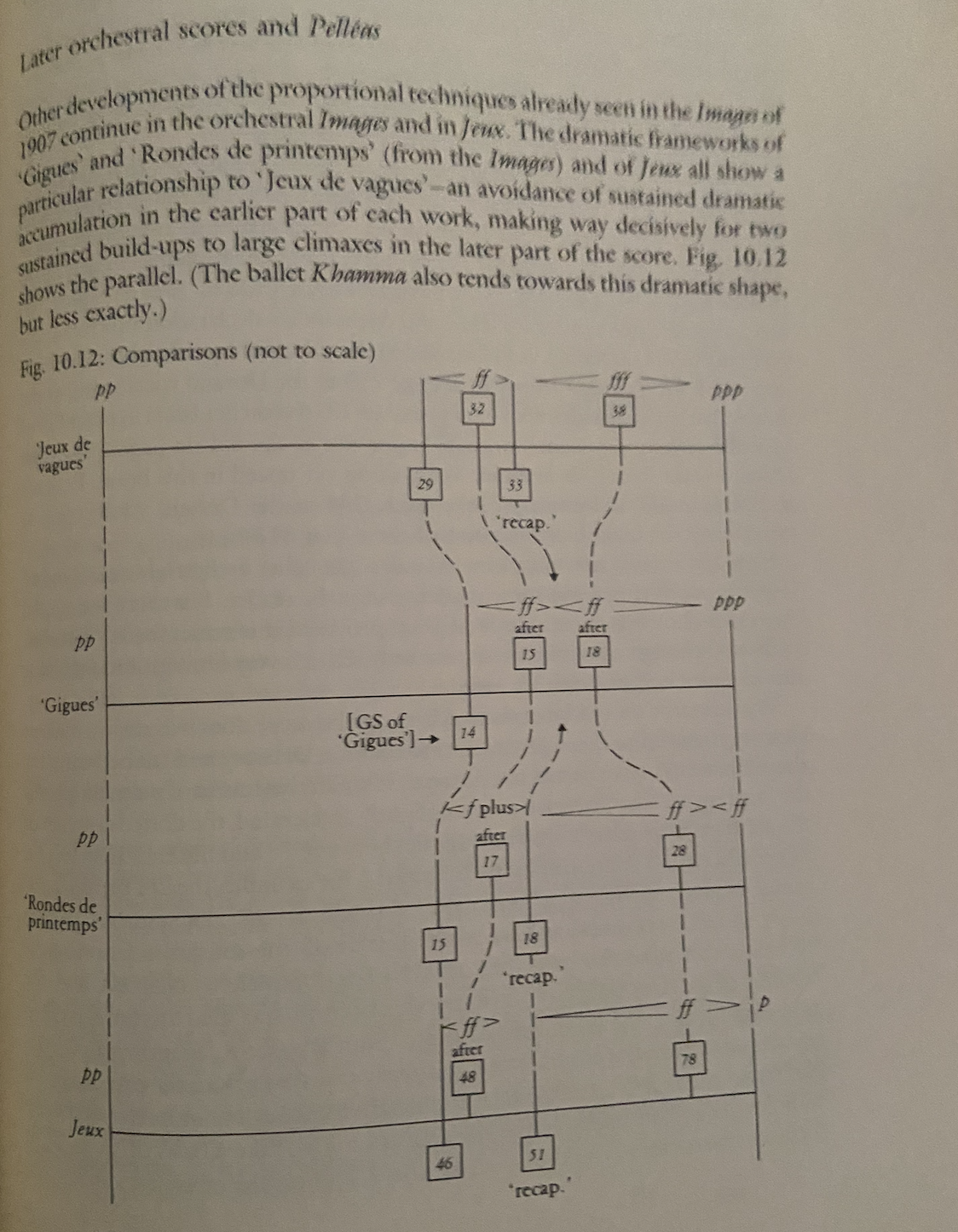 Image 4 of 5
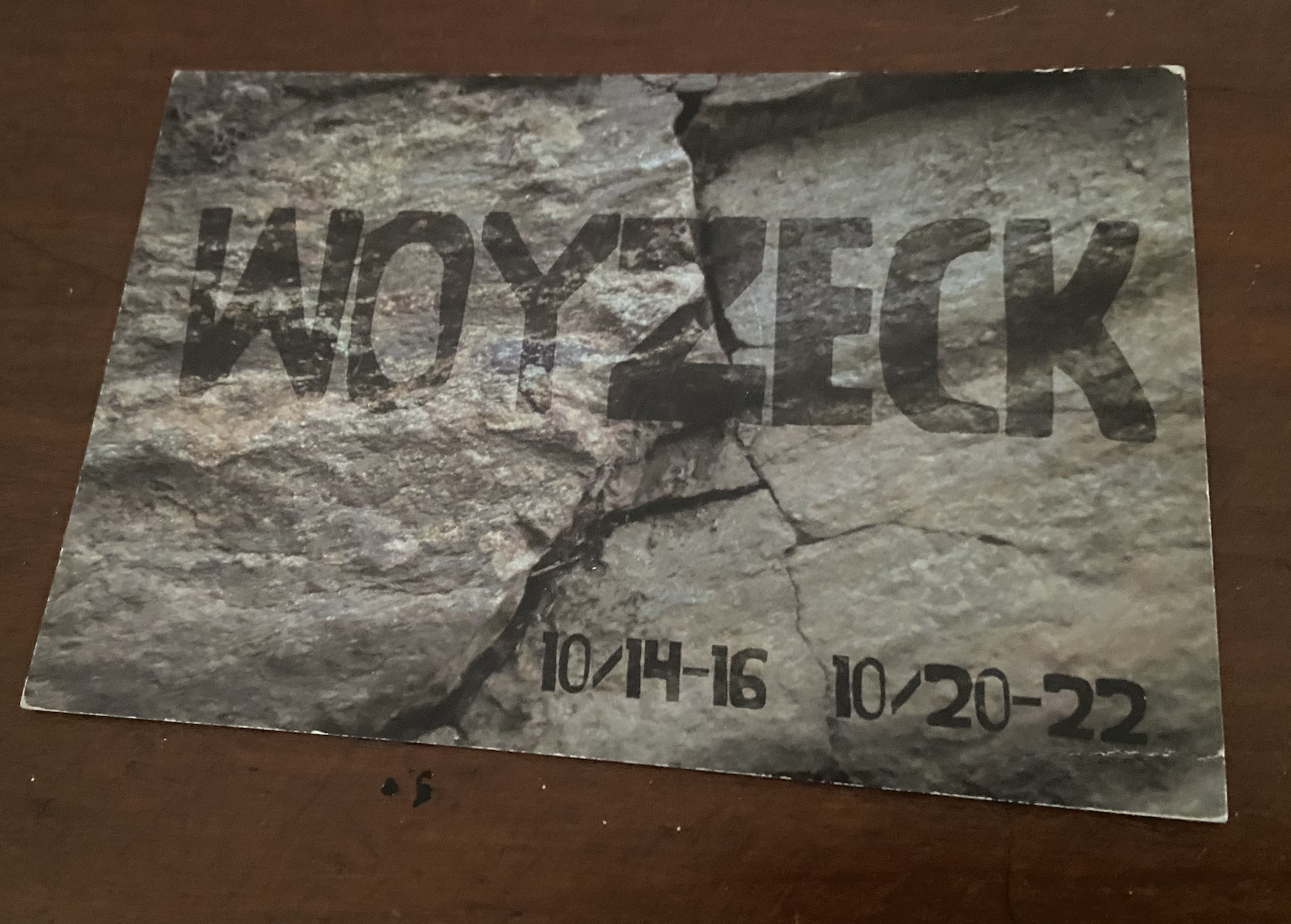 Image 5 of 5
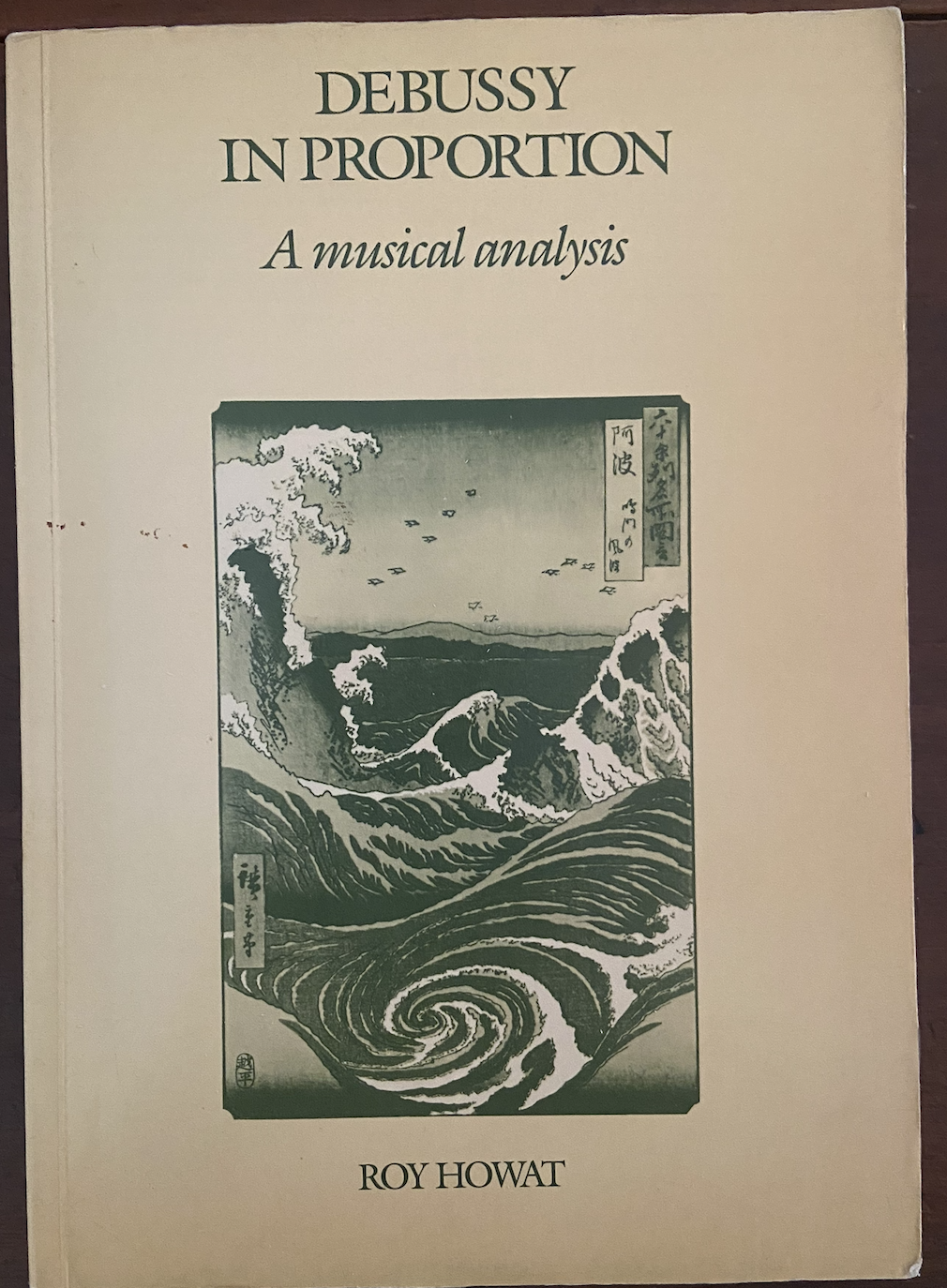
Always loved this title, though never read the text!! See description below.
Includes some extras from “Blue,” notably a postcard from Georg Büchner’s Woyzeck performed in Central Park’s Rifstone Arch. This unfinished play written between July and October 1836 about the psychological breakdown of a soldier exploited by those above and all around him. Based on the true case of a man who murdered his lover (re: Marie was getting it on with a drum major), the play explores themes of poverty, mental deterioration, and social injustice. Its fragmentation and episodic structure revolutionized dramatic form, making it one of the most performed and influential works in German literature … insane how long ago it was written … sounds very early 20th century, not early 19th!!
And, more importantly, what looks to be a very rough run down for a performance of some sort that “Blue” was working on, possibly with students. [Thanksgiving] includes tunes like “Ain’t got no money,” “cum-buy-ya” [sic], “My Girl,” among others. Also has a list of first names and instrumentation/accompaniment.
“This is the first paperback edition of Roy Howat's stimulating and provocative study of Debussy's unorthodox use of musical form. Throught detailed analyses of the piano pieces Reflets dans l'eau and L'isle joyeuse and the symphonic poem La mer, Dr Howat shows how the pieces are built precisely and intricately around the two ratios of Golden Section and bisection so that the music is organised in various geometrical patterns which contribute substantially to its expansive and dramatic impact. The final chapter traces evidence of whether the proportional systems were designed consciously, and if so, where and why Debussy might have learnt such techniques. The evidence includes his involvement in the Symbolist movement and in esotericism.”
Always loved this title, though never read the text!! See description below.
Includes some extras from “Blue,” notably a postcard from Georg Büchner’s Woyzeck performed in Central Park’s Rifstone Arch. This unfinished play written between July and October 1836 about the psychological breakdown of a soldier exploited by those above and all around him. Based on the true case of a man who murdered his lover (re: Marie was getting it on with a drum major), the play explores themes of poverty, mental deterioration, and social injustice. Its fragmentation and episodic structure revolutionized dramatic form, making it one of the most performed and influential works in German literature … insane how long ago it was written … sounds very early 20th century, not early 19th!!
And, more importantly, what looks to be a very rough run down for a performance of some sort that “Blue” was working on, possibly with students. [Thanksgiving] includes tunes like “Ain’t got no money,” “cum-buy-ya” [sic], “My Girl,” among others. Also has a list of first names and instrumentation/accompaniment.
“This is the first paperback edition of Roy Howat's stimulating and provocative study of Debussy's unorthodox use of musical form. Throught detailed analyses of the piano pieces Reflets dans l'eau and L'isle joyeuse and the symphonic poem La mer, Dr Howat shows how the pieces are built precisely and intricately around the two ratios of Golden Section and bisection so that the music is organised in various geometrical patterns which contribute substantially to its expansive and dramatic impact. The final chapter traces evidence of whether the proportional systems were designed consciously, and if so, where and why Debussy might have learnt such techniques. The evidence includes his involvement in the Symbolist movement and in esotericism.”